Please read my previous post before you continue, thank you!
As my first blog post described, I have had a lot of personal success with aiding my mental health disorders with the introduction of indoor plants. I began to wonder if there was any scientific evidence that would support my good feelings. I have broken this blog up into three sections to discuss my findings on the benefits of houseplants pertaining to Mood disorders, Mental health struggles and cognitive limitations. My goal is to inform the viewer about the positive benefits of indoor plants and how they might be able to aid in giving relief or clarity to the categories mentioned above.
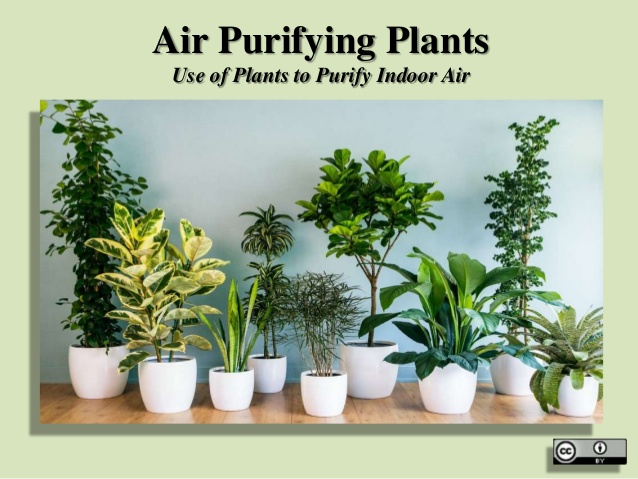
Plant Healing from air pollutants to help those with heightened sensitivities:
According to Linda Artis in her article called “Using Plants as Air Filters she explained “ Part of detoxing our environment means eliminating household products that leave a chemical scent, such as candles, scented hand sanitizers, nail polish and cleaning supplies. Other chemicals are harder to eliminate such as chemicals in paint, furniture and rugs. The most efficient air filters remove dust, pollen, mold, smoke and other irritants although they impede the flow of air through cooling and heating ducts which ultimately can cause unnecessary wear and tear on the unit.” For myself as well as others, micropollutants and smells can be very overwhelming. Selecting specific indoor plants that help in filtering out these irritants can make our indoor spaces feel less stressful. Linda also notes how a group of four indoor plants were tested and showed the best results at removing specific pollutants from the air. In her study she found that when the bromeliad plant was exposed to eight VOC’s in a 12 hour period of time it absorbed up to 80% of six of these compounds. The dracaena plant had the best performance absorbing acetone at a 94% rate. The spider plant wasn’t as good at absorbing toluene and benzene, but did an excellent job eliminating some of the other VOC’s such as ethylbenzene, p-Xylenes, o-Xylene and acetone. The jade plant removed 80% of all these substances, although approximately 70% of acetone.
Calming a busy ADHD brain with mindfulness & gardening:
As I was looking for more info on how gardening can help symptoms of ADHD, I found a great article from a woman named Linda Roggli called “I cultivate my garden and my inner peace”. Linda notes how normally she feels overwhelmed by unattended tasks, but gardening brings her a sense of peace, while also keeping her focused. In her article she notes “Research shows that ADHD brains are better able to pay attention, focus, and stay on track when they slow down a bit – be more mindful of the moment. There is no place more mindful for me than my veggie garden.” While her focus is aimed at outdoor gardening, I believe her ideas about refocusing her busy brain would also work in an indoor setting.
Helping heal your mind, and potentially your aches and pains:
This one came as a surprise to me. As a person who has lived with a pain disorder for over a decade, I was happily shocked to find out that they now think some indoor plants may be able to help those of us with chronic pain. Dierdre Sullivan, writer at The Spruce.com writes how multi-beneficial indoor plants are. She notes how scientists say, just being around houseplants, flowers, and even artfully arranged branches (more on that later) can significantly boost your mood, reduce stress, improve concentration including ADHD symptoms, and even relieve aches and pains.
 Mira's Take on Tech